+86-773-2810881 About Us Contact Us

+86-773-2810881 About Us Contact Us
Have you ever been drawn to places where history feels tangible—where every beam and stone carries the weight of centuries? In Shanxi Province stands one such monument: Haizhou Guandi Temple, a masterpiece of ancient Chinese architecture and a living testament to the enduring legacy of Guan Yu.
Covering 260,000 square meters with more than 200 buildings, the temple complex is divided into the Main Temple and the Brotherhood Garden. It is the largest surviving palace-style Daoist architectural complex dedicated to Guan Yu and is widely regarded as the “Ancestor of Guandi Temples” and the “Crown of Martial Temples” in China.
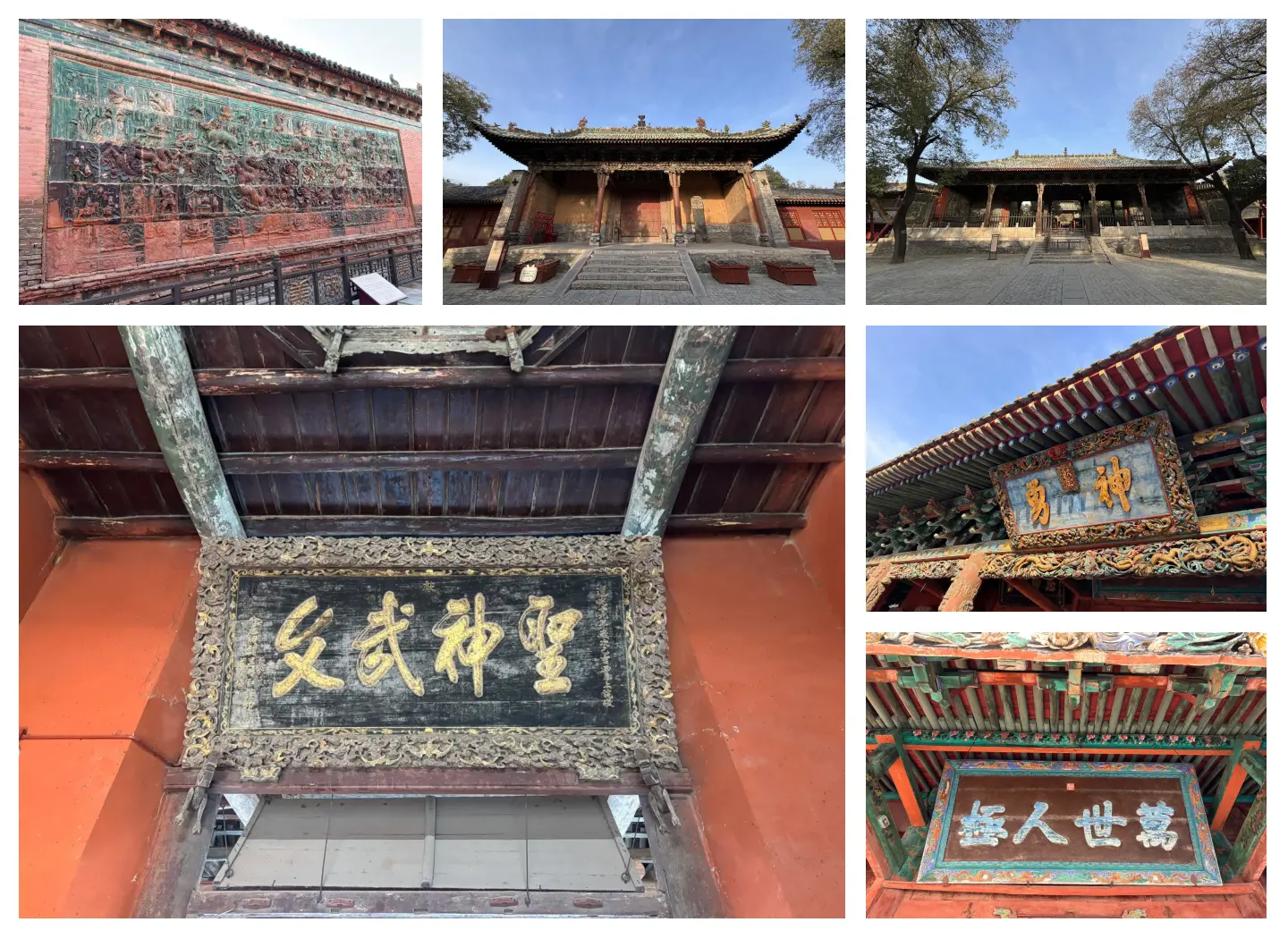

Inside the temple hang imperial plaques bestowed by emperors of different dynasties:
“Righteousness Illuminates Heaven and Earth” (Kangxi)
“Divine Bravery” (Qianlong)
“Model for All Ages” (Xianfeng)
“Majestic Spiritual Power” (Empress Dowager Cixi)
Each plaque reflects the deep reverence Chinese society has held for Guan Yu’s loyalty, courage, and integrity.

Chunqiu Tower (Spring and Autumn Tower)
The iconic structure of the temple and its tallest building. The second
floor features China’s only surviving double chrysanthemum caisson
ceiling, constructed from 408 wooden components arranged in 204
interlocking bracket sets. Built entirely with mortise-and-tenon
joinery, it demonstrates extraordinary architectural ingenuity from
ancient craftsmen.
Chongning Hall
The main hall of the temple, built according to imperial palace
standards. Inside stands an imposing statue of Guan Yu depicted as an
emperor, beneath Kangxi’s imperial plaque. The dragon-carved stone
stairway enhances the hall’s royal grandeur—an awe-inspiring sight upon
entry.
The Four-Dragon Glazed Wall (Duan Gate)
A Ming Dynasty glazed spirit wall featuring vividly colored coiling
dragons. Unlike the Nine-Dragon Walls reserved for emperors, this
Four-Dragon Wall reflects Guan Yu’s status and symbolism. Under
sunlight, the glazed surface shimmers brilliantly—something that must be
seen in person.
Ming Dynasty Iron Incineration Tower
Nearly 9 meters tall, this rare two-tier, ten-sided iron structure was
used for burning ritual documents. Its refined casting details and
remarkable preservation make it a national treasure.
Walking
through the temple feels like stepping back into imperial China. Wooden
halls, richly decorated archways, intricate caisson ceilings, glazed
tiles, wood carvings, and stone sculptures all reveal the highest level
of traditional Chinese craftsmanship.
More than a religious site,
Haizhou Guandi Temple embodies the Confucian virtues that Guan Yu
represents: loyalty, righteousness, courage, and honor.
Imperial Majesty in Chongning Hall
The emperor-like statue of Guan Yu beneath the Kangxi plaque creates an overwhelming visual impact.
The “Floating” Columns of Chunqiu Tower
The cantilevered wooden structure on the second floor appears suspended
in midair—an architectural marvel hiding centuries-old engineering
wisdom.
Light and Shadow on the Glazed Dragon Wall
In sunlight, the Ming Dynasty glazed dragons radiate brilliant reflections that photos simply cannot capture.
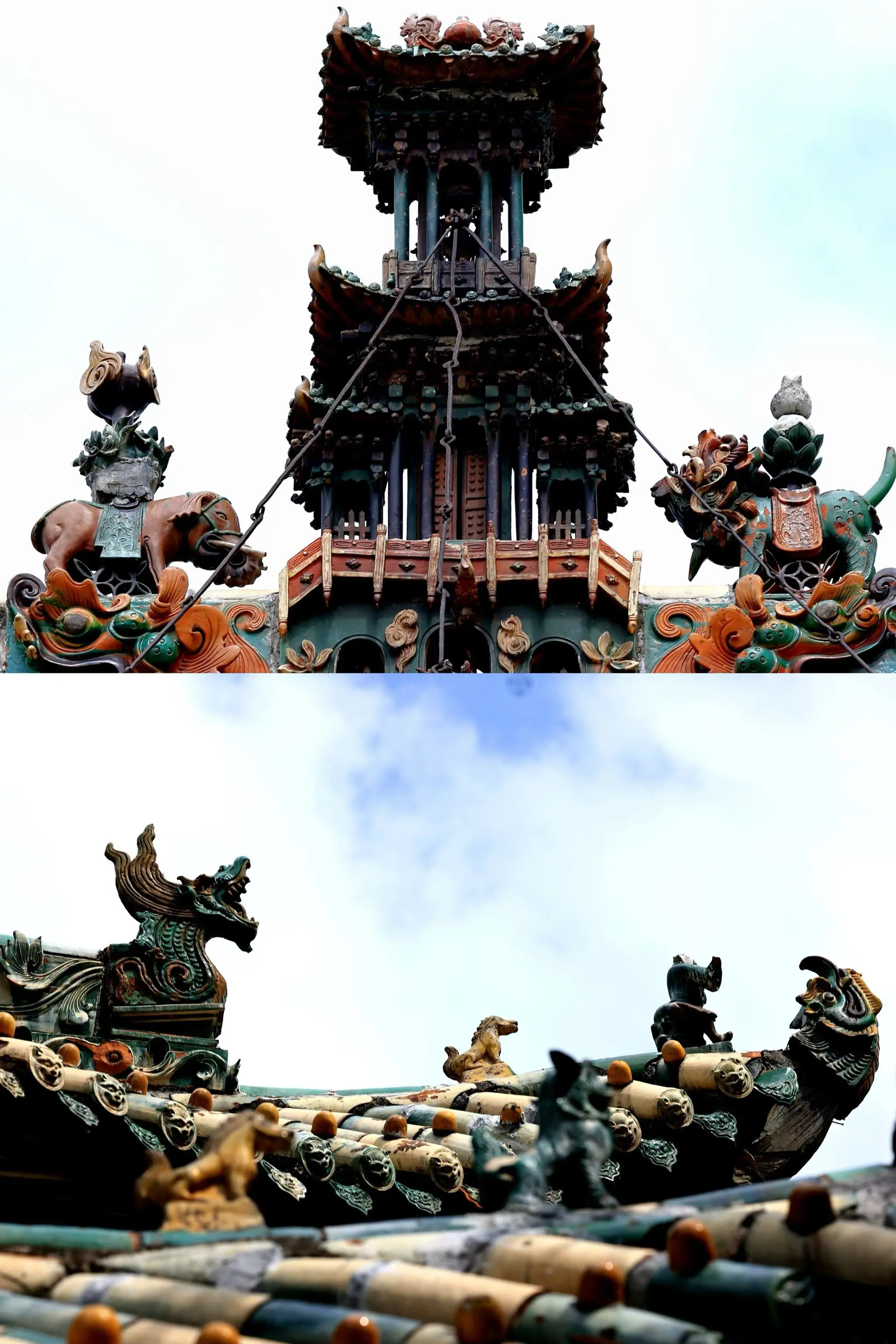
Brotherhood Pavilion Red Wall – A recreated scene of the Peach Garden Oath, located off the main axis; fewer crowds and great for photography.
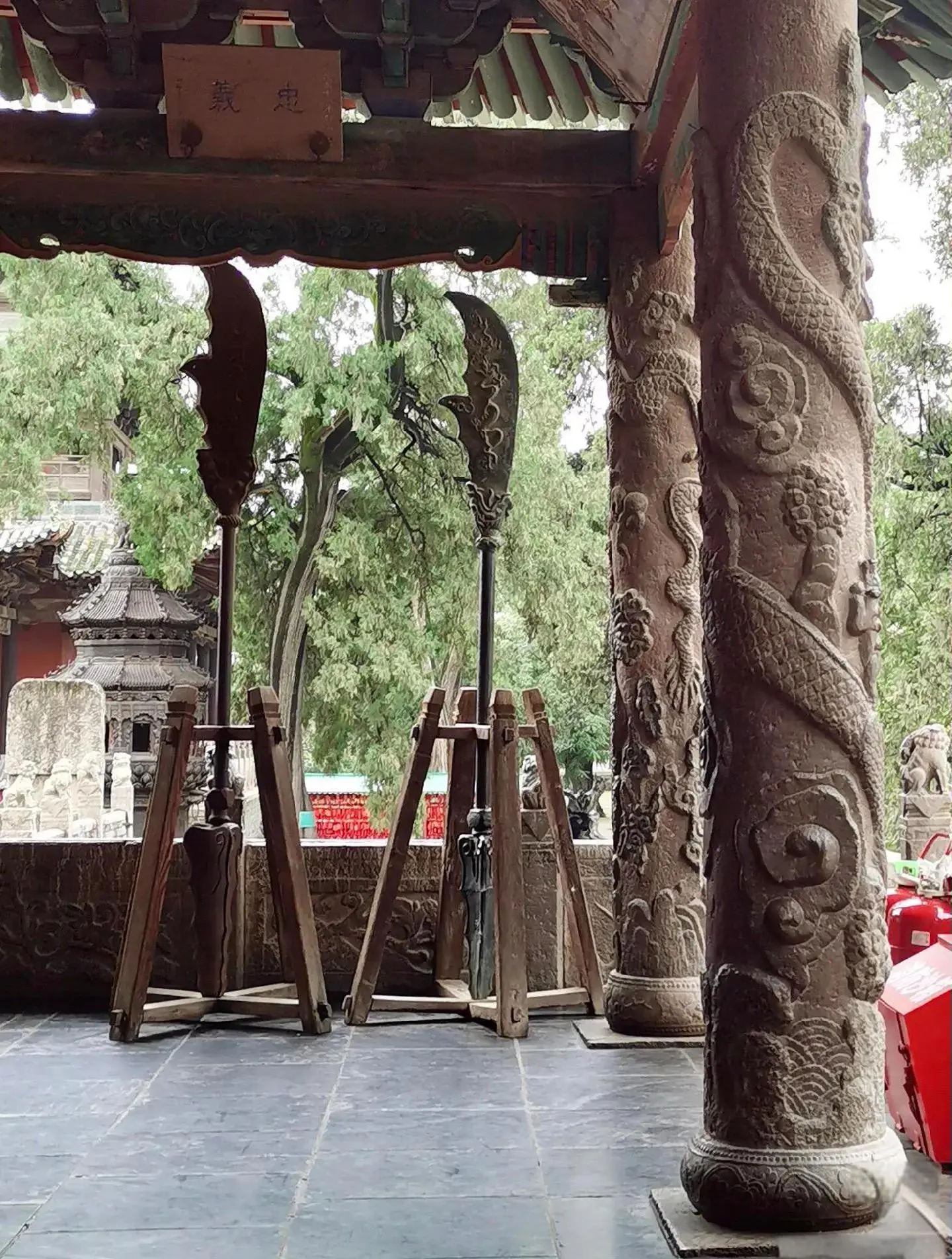
Green Dragon Crescent Blade Replica – Touch the 1:1 reproduction of Guan Yu’s legendary weapon.
Best Light After 4 PM – Late afternoon light enhances the texture of wood carvings and dragon reliefs beautifully.
If you search “Guandi Temple” on navigation apps, you may see two locations in Yuncheng. The authentic and most famous one is located near Xiaochi (硝池).
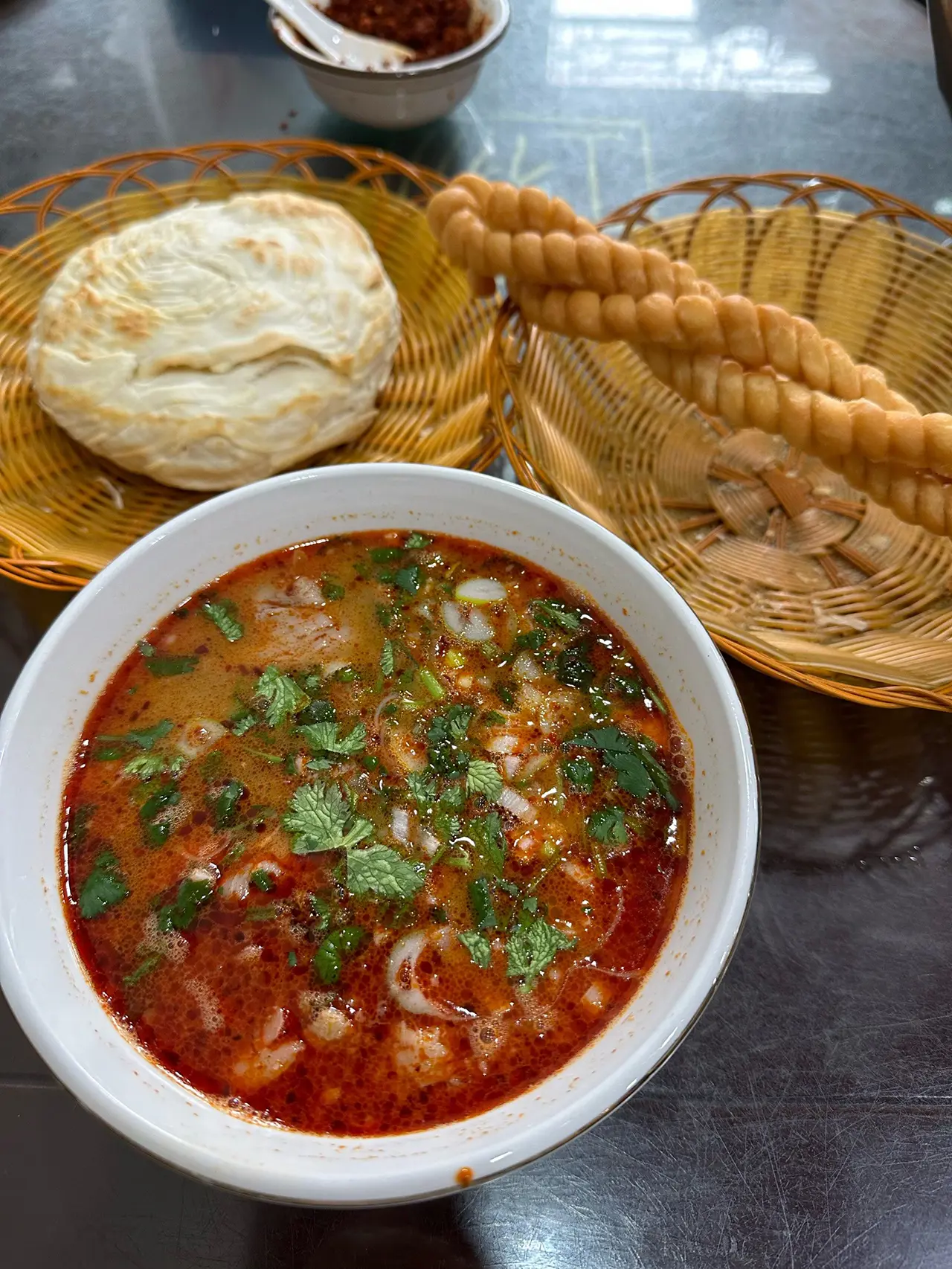
After your visit, don’t miss local specialties:
Yongji Beef Dumplings – Thin wrappers, juicy filling.
Haizhou Lamb Paomo – Fresh broth and tender meat.
Both cost around RMB 20 per person and are incredibly satisfying.
For any travel-related inquiries, please feel free to contact us at any time.


