+86-773-2810881 About Us Contact Us

+86-773-2810881 About Us Contact Us
After the Spring Festival holiday ended, hoping the crowds would be smaller, I took my child to Beijing for a visit. This is something my child has been wanting for a long time, and it has also been a wish of mine.
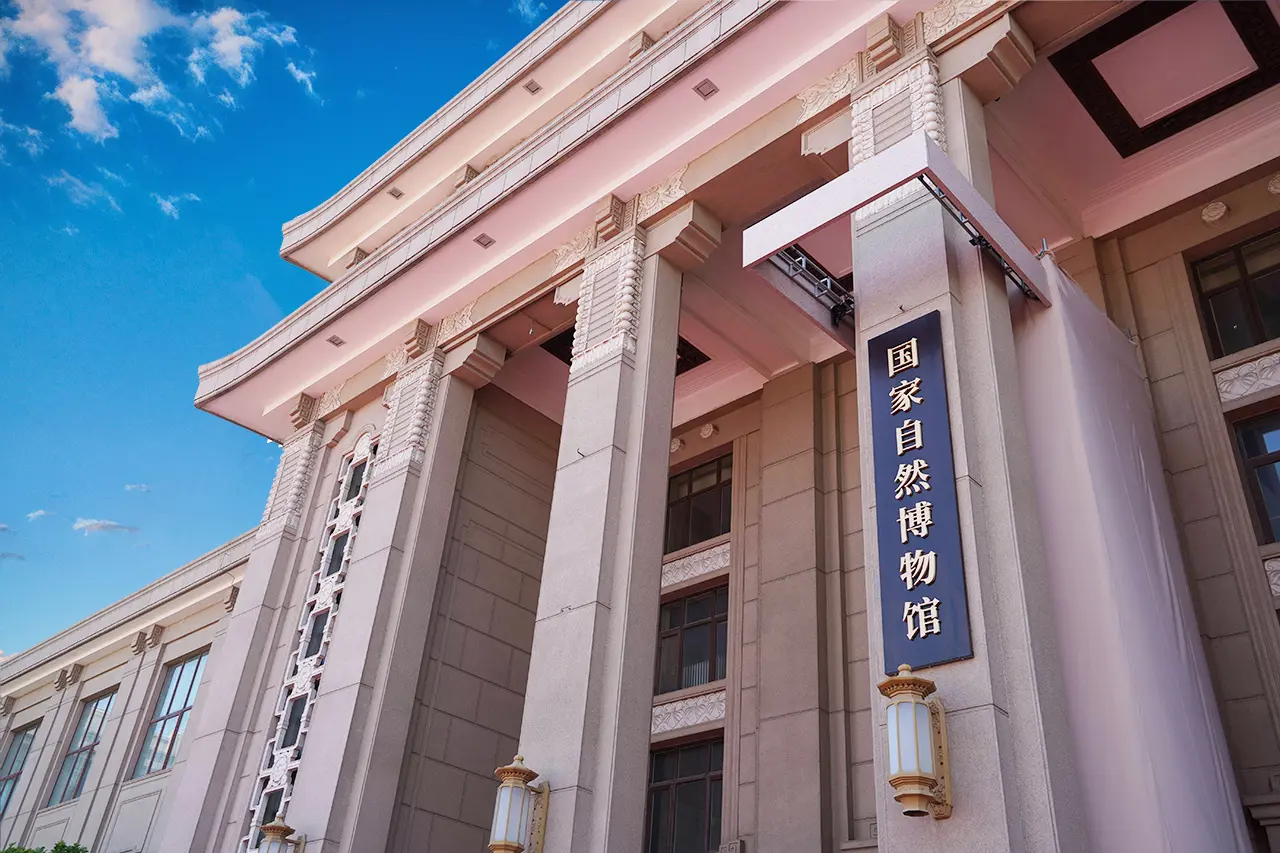
I picked a weekend for the trip and shortened the schedule to two days—leave in the evening, come back at night. I didn’t want to tire ourselves out, so I only planned to visit attractions around Tiananmen Square. I followed an online guide and booked tickets in advance for Tiananmen Gate, Tiananmen Square, the National Museum of China, the National Museum of Natural History, and the Forbidden City.
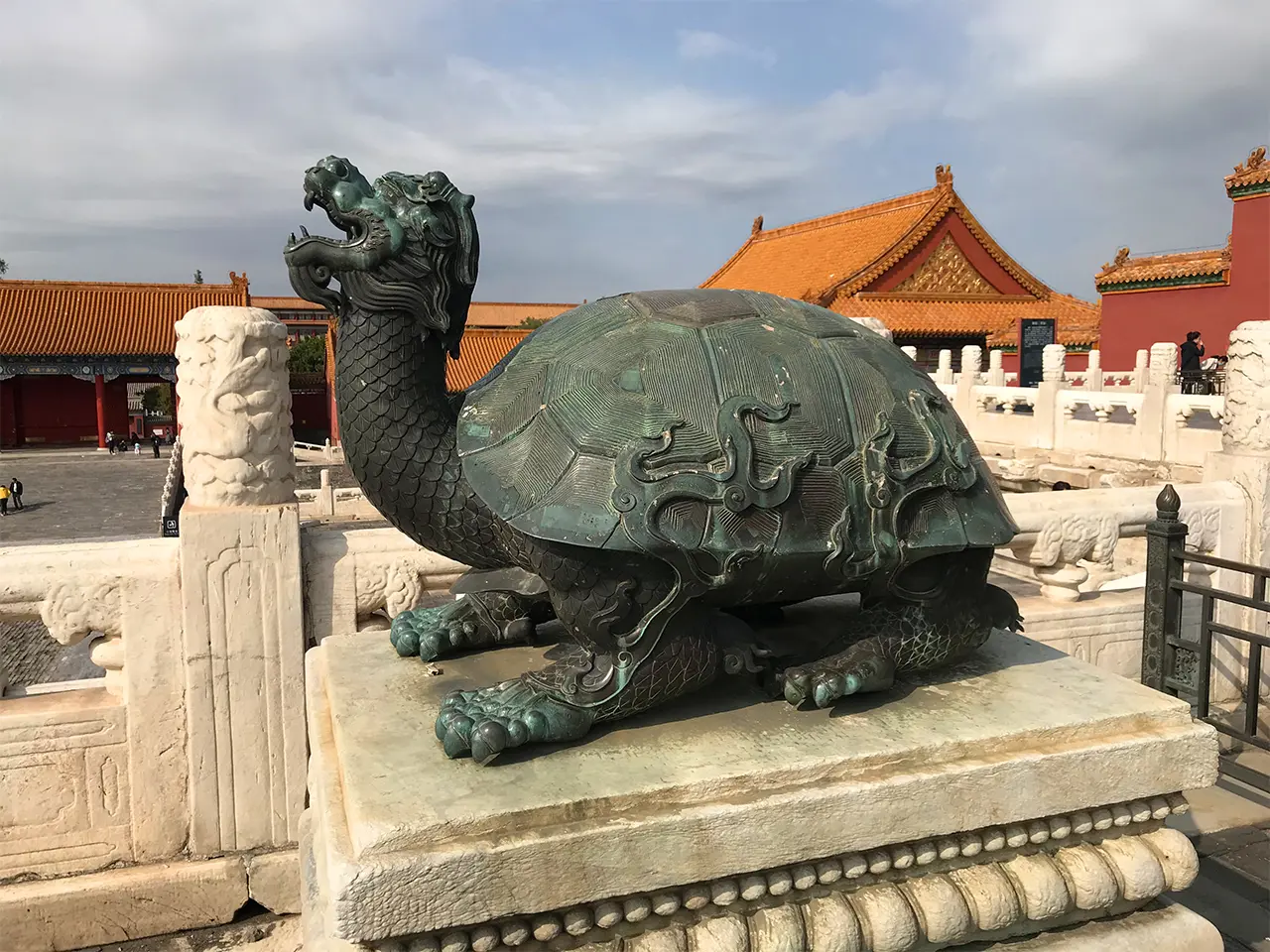
On the first day, we went to the National Museum of Natural History in the morning. The tickets are released at 5 PM, and if you show up on time, you can usually get them. If you're late, they might be sold out. The museum was pretty packed, mostly with families and kids. The Dinosaur Hall, animal specimens, and the marine life exhibits were especially popular. We started at the Dinosaur Hall, then checked out the plant exhibits, moved on to the animal specimens, and finally, ended with the marine life section. We spent the whole morning there, and the kids had a blast. They also learned quite a bit!
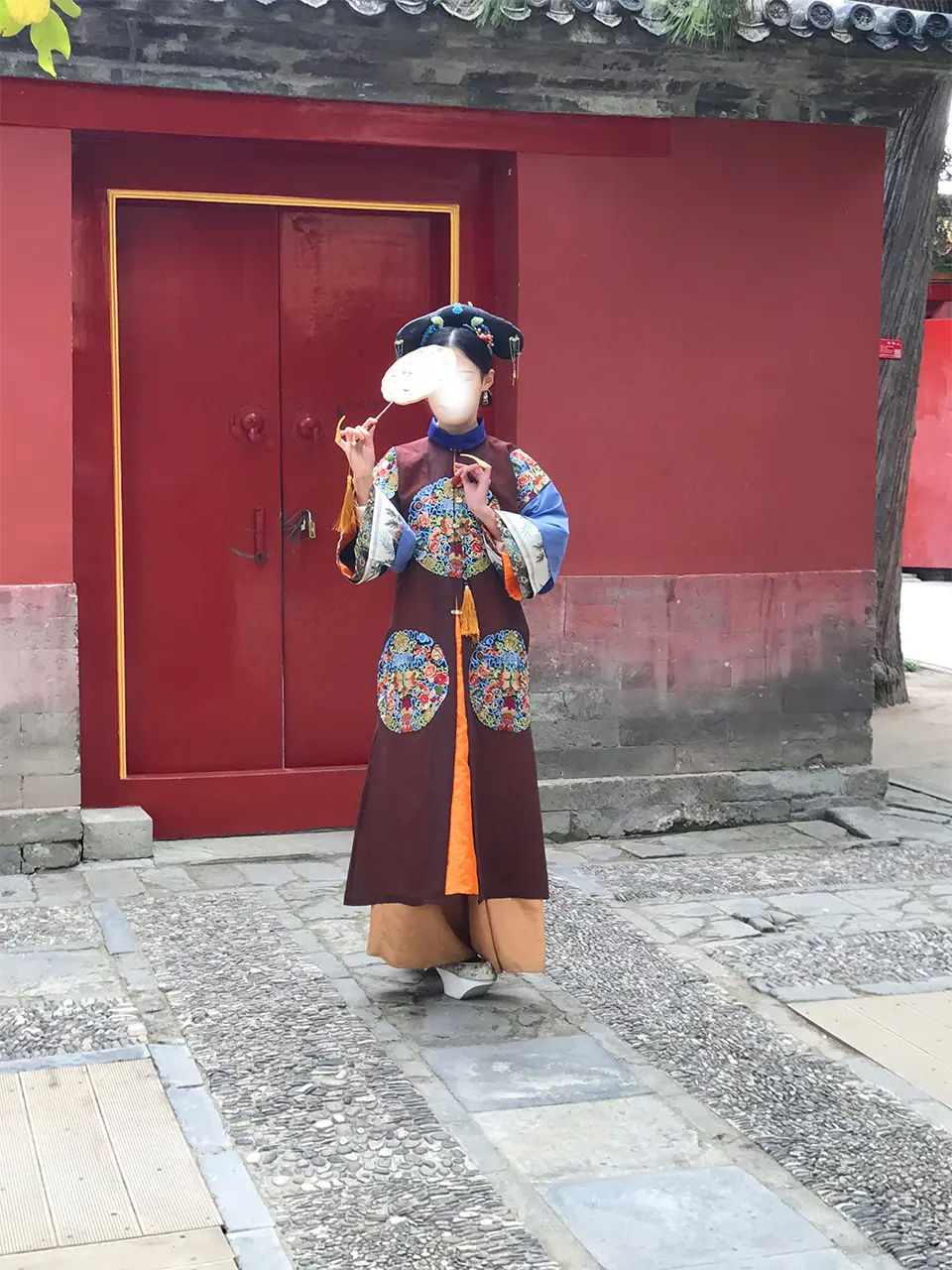
After lunch, we headed to the Temple of Heaven in the afternoon. Since we ate near the North Gate of the Temple of Heaven, we entered through that gate. We purchased a combo ticket; otherwise, we wouldn’t have been able to enter the Hall of Prayer for Good Harvests. The Temple of Heaven is quite expansive, but the main attractions are all located along the central axis. The Hall of Prayer for Good Harvests was extremely crowded, filled with people taking photos for social media. Just like the Forbidden City, the place was teeming with "gege" (people dressed in Qing Dynasty princess costumes for photos). Next to the Hall of Prayer, there’s a cultural exhibition of the Temple of Heaven, which is also worth a visit. The Circular Mound Altar was also quite busy, though much less crowded compared to the Hall of Prayer. The temperature dropped that day, and it was very cold. After visiting the Circular Mound Altar, we headed straight to the West Gate to exit. The scenery at the Temple of Heaven is truly beautiful, but unfortunately, winter makes it feel a bit desolate. If we had visited during other seasons, many spots would have been perfect for stunning photos. However, it was too cold, and we weren’t in the mood to enjoy the scenery.
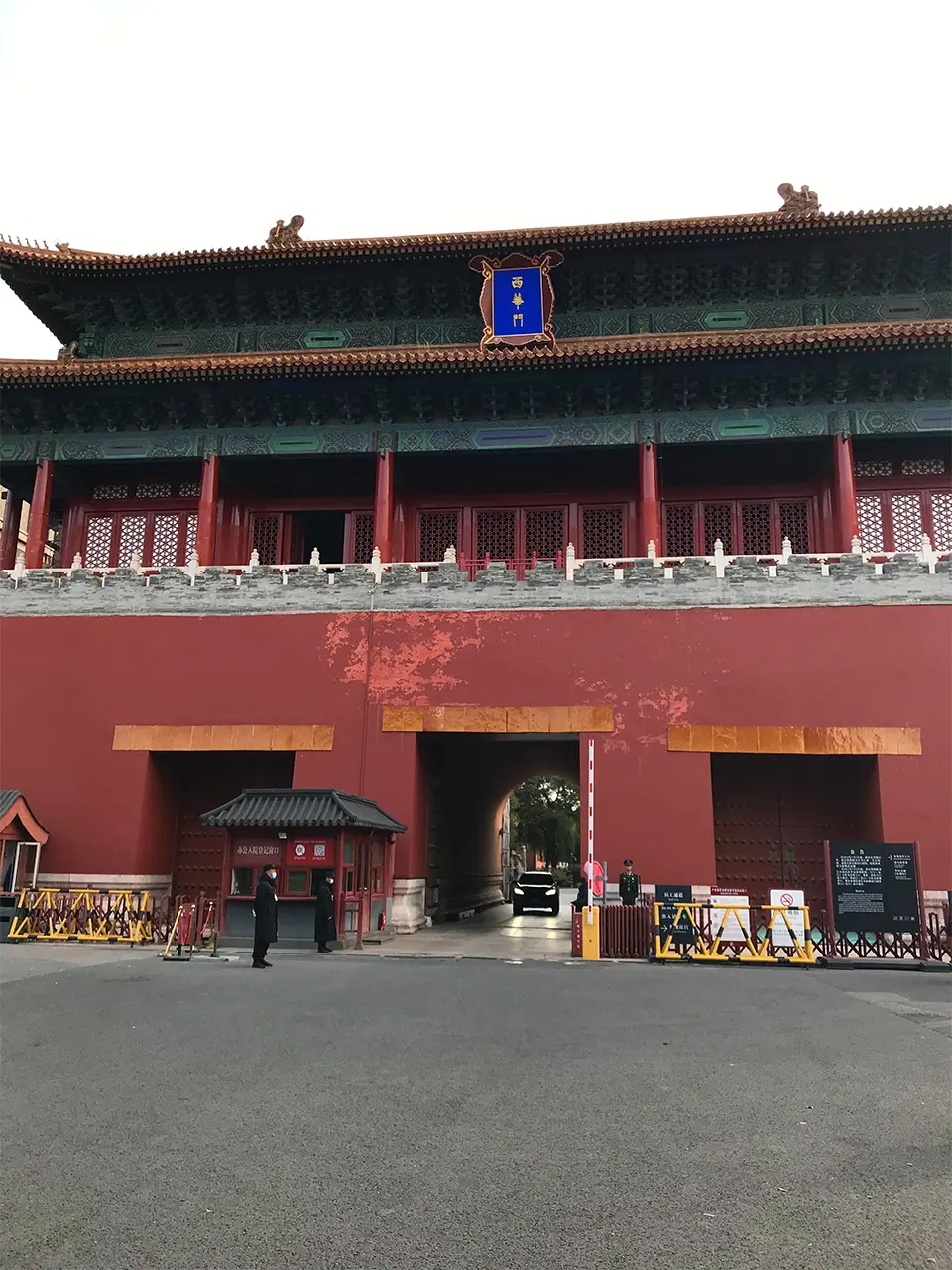
On the second day, we visited the Forbidden City. We got up a bit late in the morning and arrived around 10:30 am. Confronted with a snaking queue that looked like it would take over an hour to get through, we worried about missing our entry window. To save time, we bypassed the main entrance and headed directly to the East Glorious Gate (Donghua Gate) of the Forbidden City.
There was a bit of a hiccup here. Online guides suggested that the East Glorious Gate (Donghua Gate) was open for entry, but when we arrived, we found it closed. As a result, we had to detour to the Meridian Gate (Wumen) to enter the Forbidden City. This detour not only prevented us from visiting the main gate tower but also nearly caused us to miss our next scheduled activity.
As for the Forbidden City itself, there's no need to elaborate—there are countless online guides available. We followed the central axis all the way forward, turned at the Gate of Heavenly Purity (Qianqingmen) to visit the Treasure Gallery for the exhibition, then doubled back to explore the Palace of Compassion and Tranquility (Cininggong). After that, we continued forward to the Imperial Garden and finally exited the Forbidden City through the Gate of Divine Prowess (Shenwumen).The Forbidden City was larger than we had imagined. We entered through the Meridian Gate (Wumen) at around 11 am and exited through the Gate of Divine Prowess (Shenwumen) a little after 2 pm. Even though we didn't manage to explore the entire palace complex, we still felt quite tired by the end. After exiting the Forbidden City, there are sightseeing buses available. These buses follow a route from the East Glorious Gate (Donghua Gate) to Wangfujing and then to Tiananmen Square, with a fare of just 20 yuan per person. If you prefer not to take the sightseeing bus, you can walk a short distance to catch a bus or the subway.
We took the sightseeing bus to east side of Tiananmen Square and headed to the National Museum of China. By this time, the queue outside was relatively short, but the museum itself was still packed. Booking tickets for the National Museum is notoriously tricky—tickets are released at 5 PM, and they’re usually fully booked on the same day. If you’re in a hurry, you can opt for paid special exhibitions, which grant general entry too. We got lucky: by checking the booking system punctually two or three days in advance, we managed to secure tickets.
As for the National Museum itself, its treasures need no introduction. Any single artifact here could easily be the crown jewel of another museum. Since we arrived late, we first visited the fourth floor to see the "Story of the Rhinoceros Zun" exhibition, followed by the "Ancient Chinese Jade Artifacts" and "Ancient Chinese Gold and Silverware" displays. Then we went underground to explore the "Ancient China" exhibit—a true treasure trove arranged chronologically. We meticulously explored the sections from the Stone Age to the Northern and Southern Dynasties, but just as we were about to continue, the closing announcement echoed through the halls. The remaining exhibits had to be skimmed in a rush. Finally, we wanted to see the legendary Phoenix Crown, a glittering gem among the museum's collection. However, the line for it stretched dozens of meters even near closing time. After a moment's hesitation, we decided to skip it.
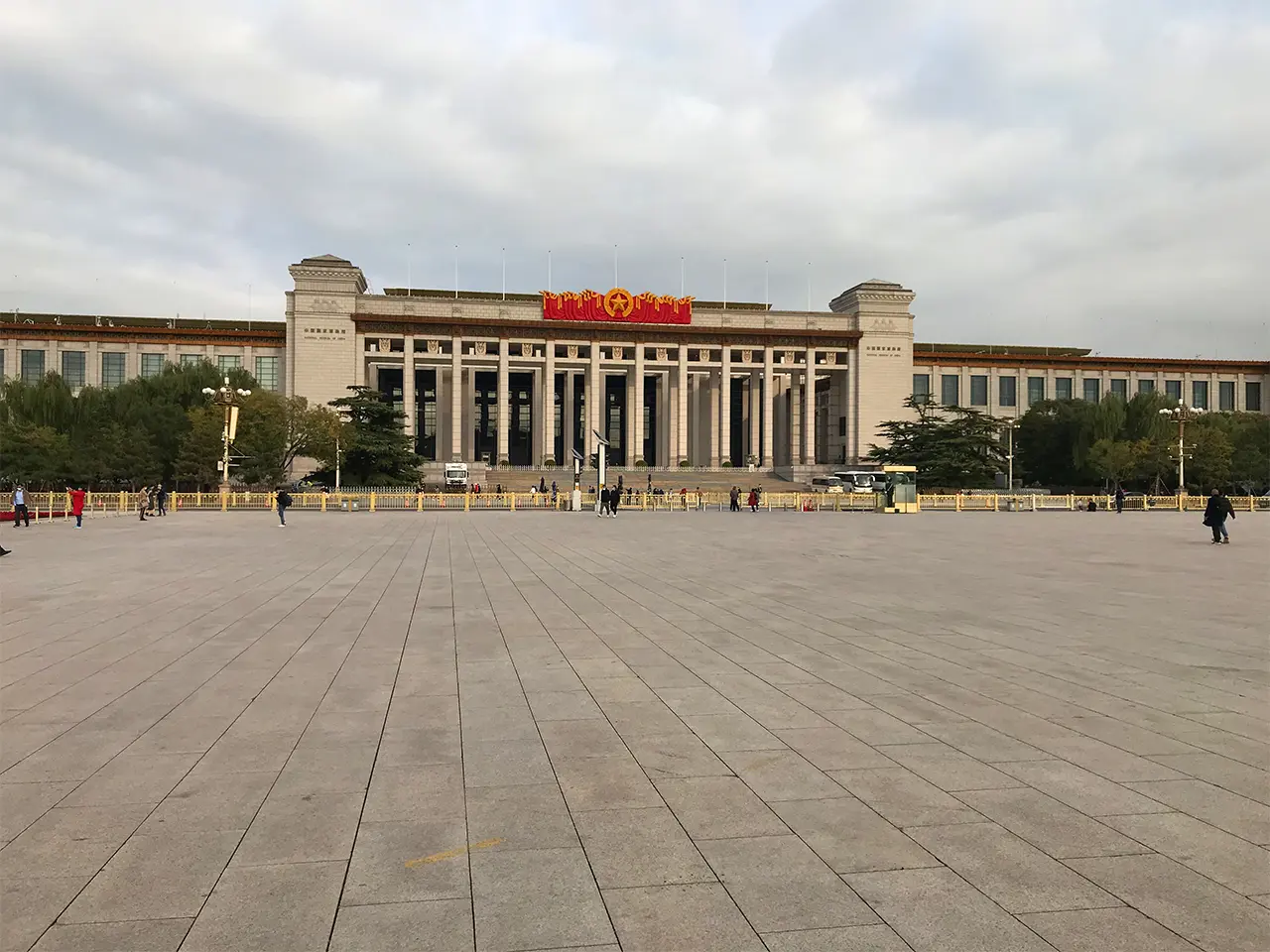
After exiting the National Museum, it was already past 5 p.m. With only twenty minutes left until the flag-lowering ceremony at Tiananmen Square, I hurried over only to find the area packed with crowds encircling the site multiple layers deep. Considering I still needed to catch a high-speed train that evening, I thought it through and ultimately decided against waiting. I just took a few photos on the square before leaving.
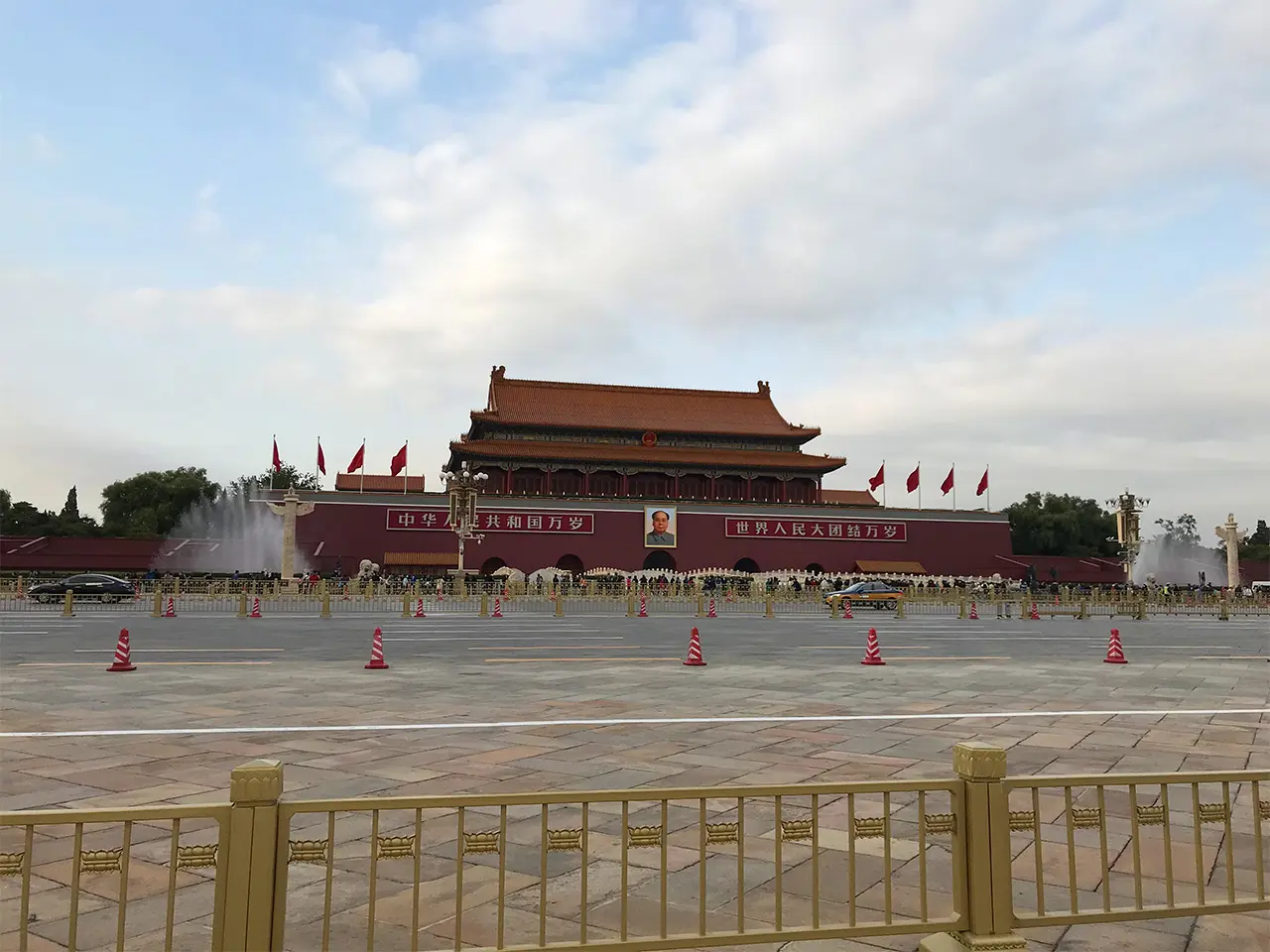
This trip was primarily leisure-focused, and we kept our accommodation arrangements simple. We booked a budget-friendly hotel near the scenic area. Fortunately, the hotel was right next to a bustling local food street, where both breakfast and dinner could be conveniently enjoyed.
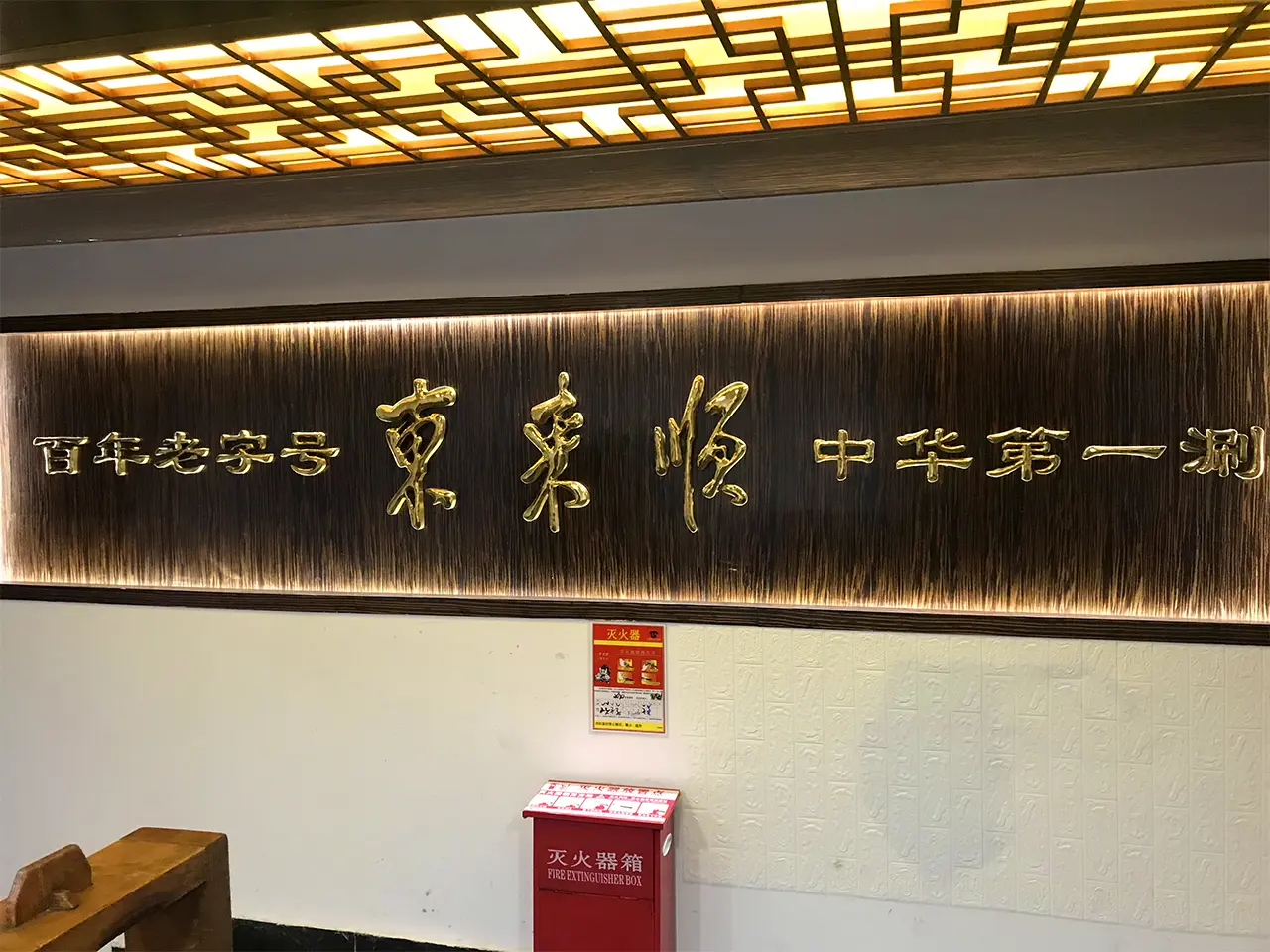
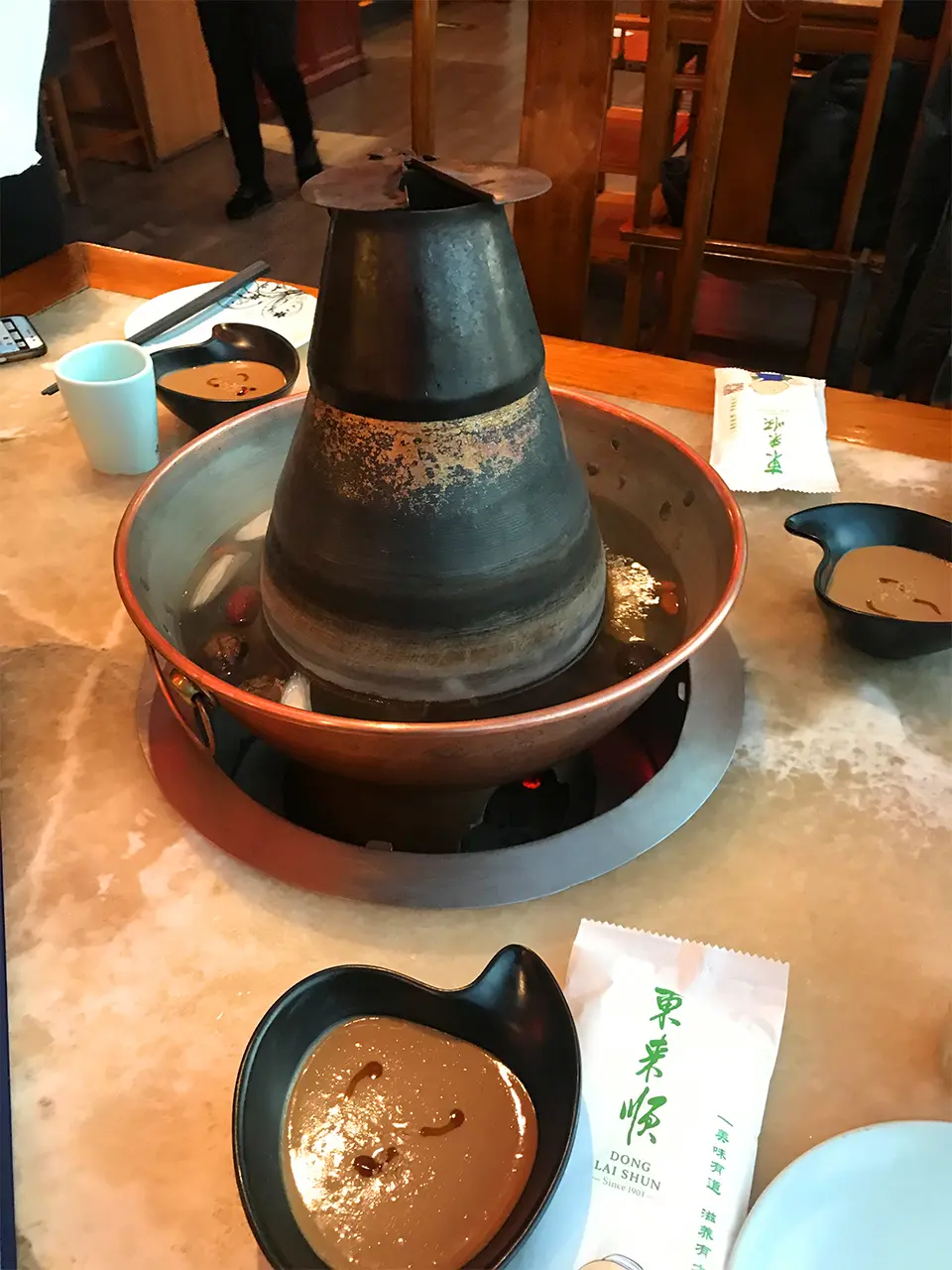
Of course, no visit to Beijing is complete without trying Beijing Donglaishun Muslim Restaurant. Due to our itinerary, we chose the Donglaishun branch near the North Gate of the Temple of Heaven, and it turned out to be a delightful experience.
A crucial reminder: Always carry your ID card in Beijing, as security checks are stringent and random inspections can happen anytime. For transportation, the city’s public transit system is highly efficient—both buses and subways are convenient. During our trip, we relied entirely on buses to reach every attraction.
For any travel-related inquiries, please feel free to contact us at any time.


