+86-773-2810881 About Us Contact Us

+86-773-2810881 About Us Contact Us
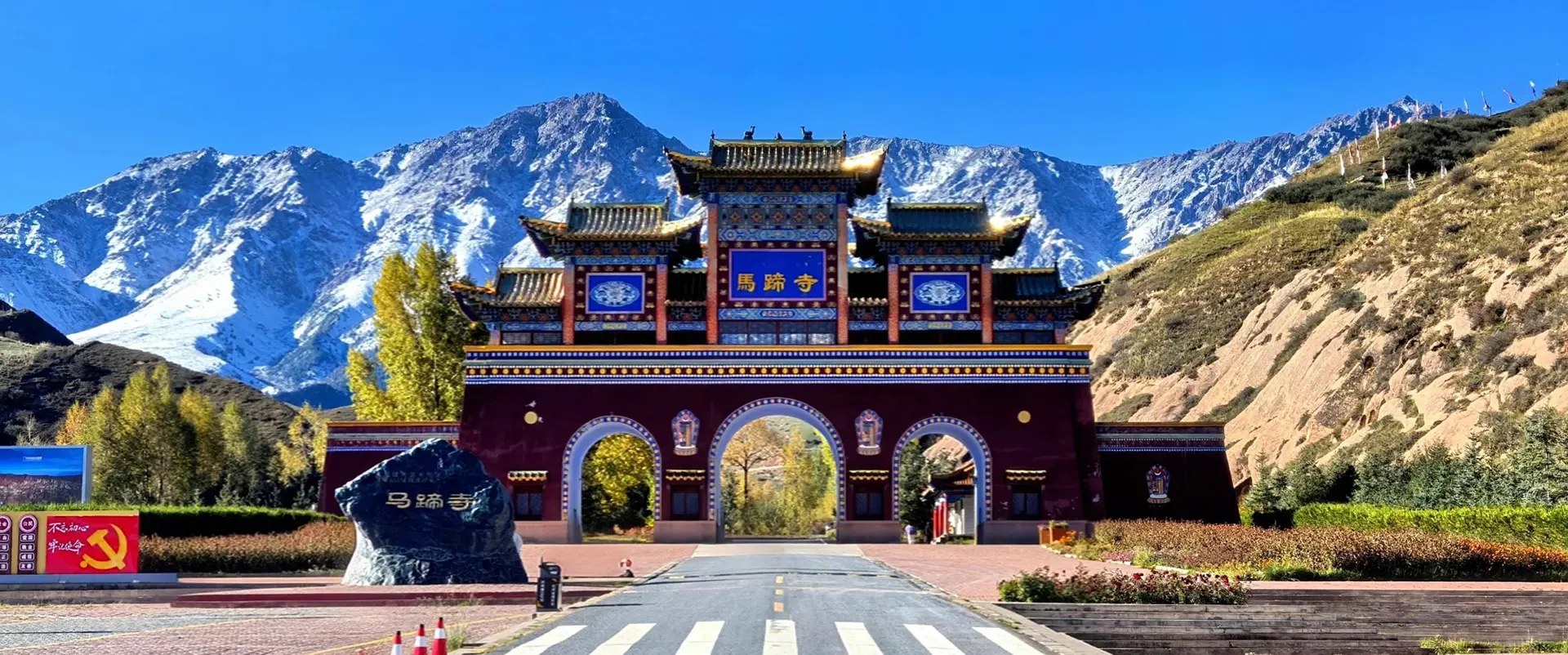
🐎 Name Origin: The name “Mati” (Horse Hoof) comes from a beautiful folk legend. It is said that a heavenly horse from Dunhuang’s Crescent Spring left a hoofprint here while traveling to the Western Pure Land, or that the horse-hoof marks were left during King Gesar’s northern expedition. The earliest documentary record dates back to the Ming dynasty (the 44th year of Jiajing) in the “Record of the Restoration of Mati Temple.”

🏛️ Historical Development: Mati Temple was founded during the Northern Liang period of the Sixteen Kingdoms/Eastern Jin era. It began as a Han Chinese Buddhist monastery and gradually developed into a Tibetan Buddhist temple. Guo Yu, a Jin-era figure, once retreated here to live in rock caves, teach, and lead disciples in carving the grottoes; across successive dynasties the Mati grotto complex took shape as a collective work of art.
🏞️ Main Attractions:
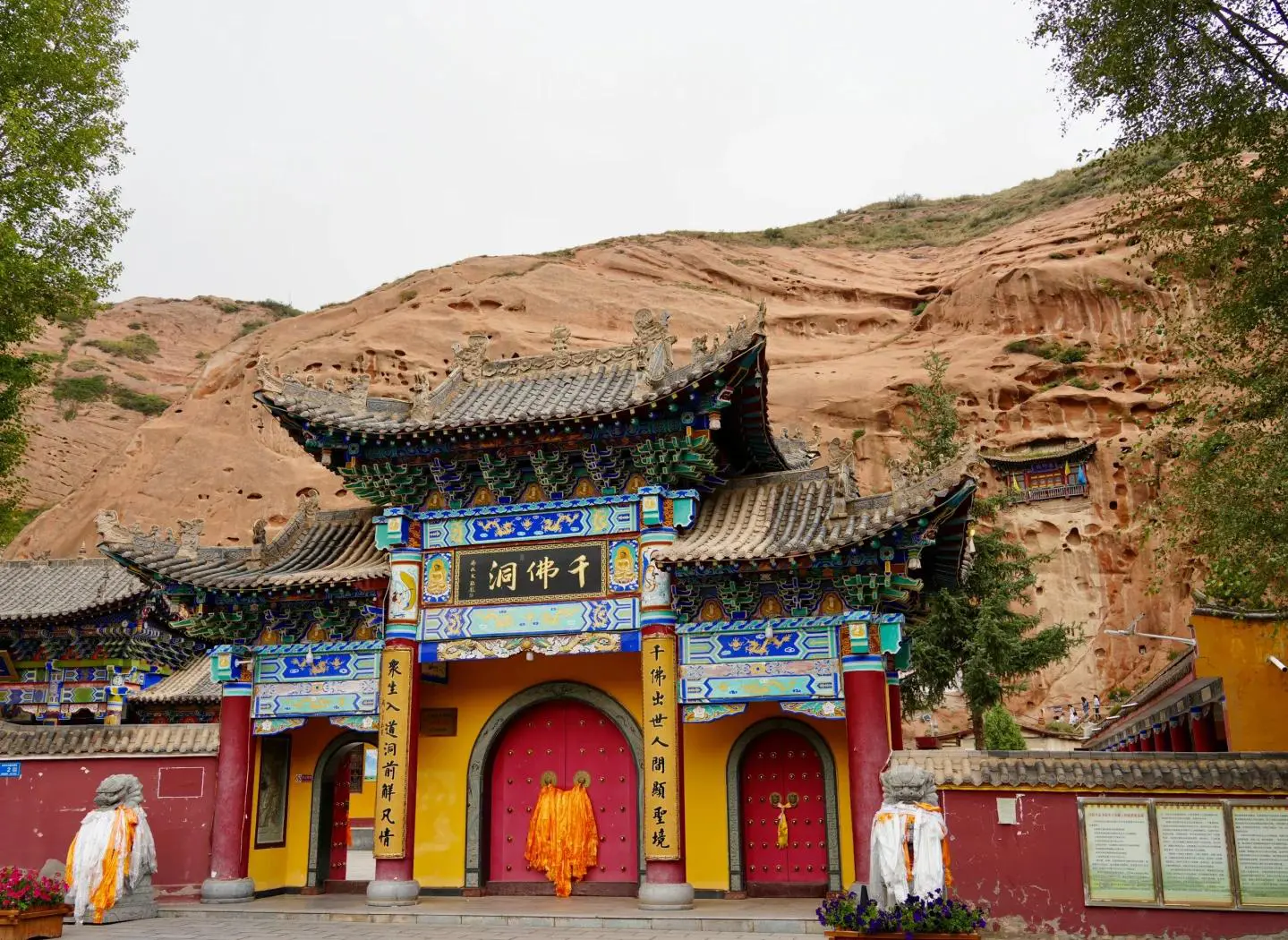
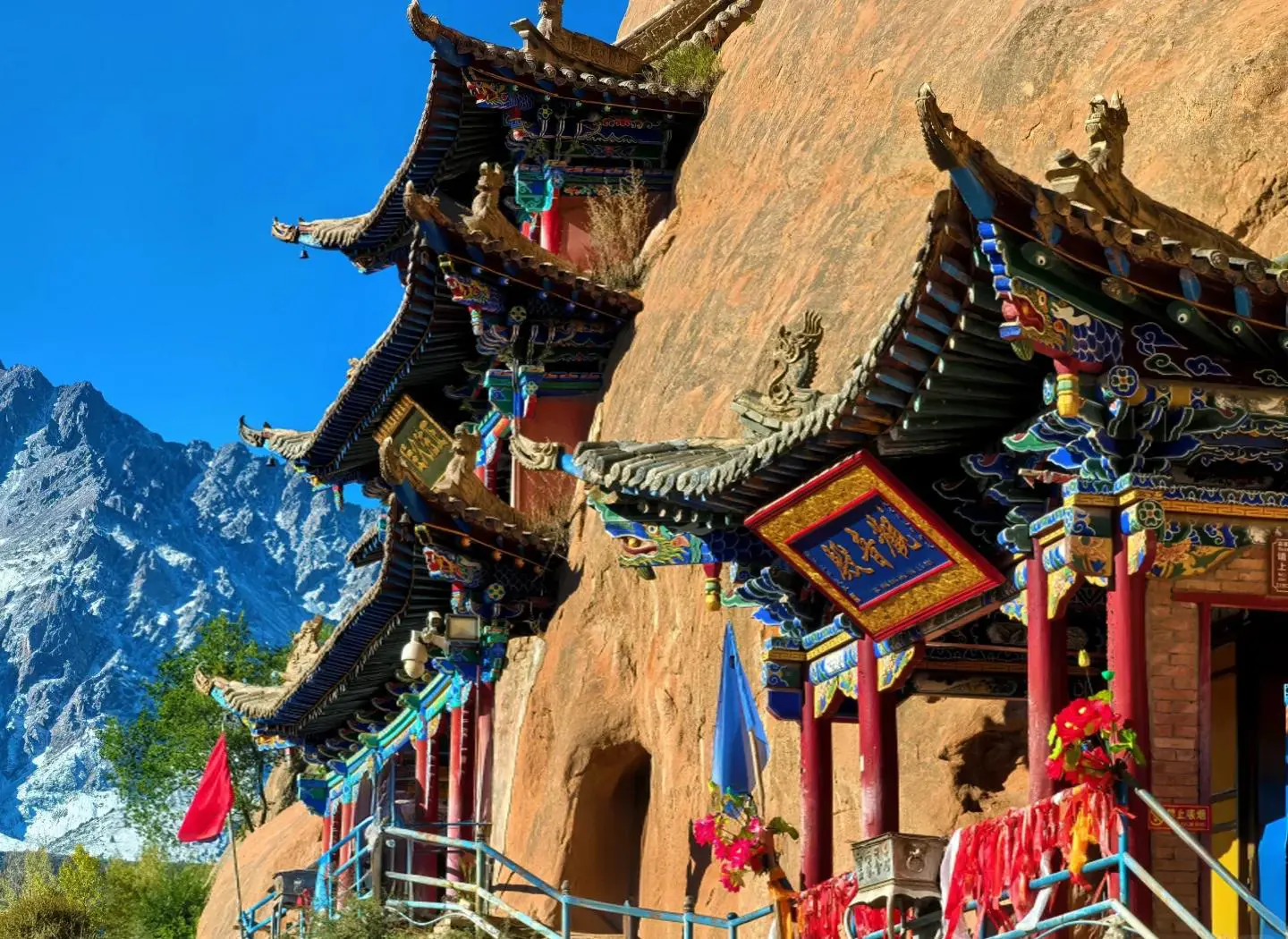
North Temple of Mati (also called Puguan Temple): Built into the red sandstone cliffs of Mati Mountain, the temple complex before the caves includes the Mati monastery and the Three-Buddha Hall. The cave-temple contains more than 30 niches of various sizes, such as the Thirty-Three Heavens Cave, the Tibetan Buddha Hall, and the Horse King Hall — all of high artistic value.
Thousand Buddha Caves: Located roughly 7 li (about 3.5 km) northeast of Mati Temple, these niches are carved into the steep cliff on the west bank of the Mati River and are divided into southern, central, and northern sections. Eight caves still preserve sculptures and murals, providing valuable material for the study of early grotto religious art.
Jinta (Golden Pagoda) Temple: Requires a separate ticket. It sits on a red sandstone cliff in Cigu (south of Lijiagou Village, Dadouma Township, Mati District, Sunan County) and comprises east and west caves. Inside are 227 polychrome sculptures and nearly 100 square meters of murals. The temple’s statues and murals are of extremely high artistic value and it is listed as a nationally protected cultural heritage site.
🎨 Cultural Significance:
Religious value: Mati Temple played an important role in the spread and development of Buddhism in the region and contributed to the sinicization and local adaptation of Buddhist practices. Historically it received imperial patronage and many eminent monks practiced and taught here.
Artistic value: The grottoes preserve over 500 precious sculptures dating from Northern Liang, Northern Wei, Sui, Tang, Western Xia, Yuan, and Ming periods, and more than 1,200 square meters of murals. The variety of sculptural and mural styles gives the site unique artistic appeal.
Historical value: Mati Temple witnesses the historical changes and ethnic integration in the Hexi Corridor and is an important physical resource for researching ancient Chinese history, culture, art, and religion.
🕗 Visitor Information:
Opening hours: Open year-round, 08:30–18:00.
Ticketing: Peak season (Apr 1–Oct 31) adult ticket CNY 65; off-season (Nov 1–Mar 31) adult ticket CNY 56.
Transportation: A dedicated shuttle runs from Zhangye South Bus Station to Mati Temple. You can also drive or hire a car.
For any travel-related inquiries, please feel free to contact us at any time.


