Carpets As traditional ethnic crafts, Xinjiang carpets are well-known in the world by its skilled technique and long history. Carpets are the main export product in Xinjiang. Thus, tourists could find exquisite carpets in Hami as well. The main material of Xinjiang carpets are half shag and Hetian wool.
Adilis Silk Adilis silk has a history of more than 2000 years, it the most popular fabric among Uygur women. The silk is made from natural silk through tie-dying skill. The pattern (flower) on silk looks like the wings of cuckoo, that imply coming of spring.
Hami Paper cutting In addition to the general characteristics of Chinese paper-cut, Hami paper cutting is unique of distinct local style. Plants and flowers are the most notable features of paper-cut because of the strictly rules of Islam religion. In Mohammedanism, it is prohibition of creatures and human image appeared on the screen, so local people in Hami focus on flowers and trees for decoration. Another reason of flowers and plants being important play of Hami would be its wild geography. Uygur peopel is living in small oasis among gobi and dIt is drought and harsh. Thus, green plants become the reverences of local residents. Lively plants could be hope and symbol of life, taking a super position and important effect of their aesthetic sense.
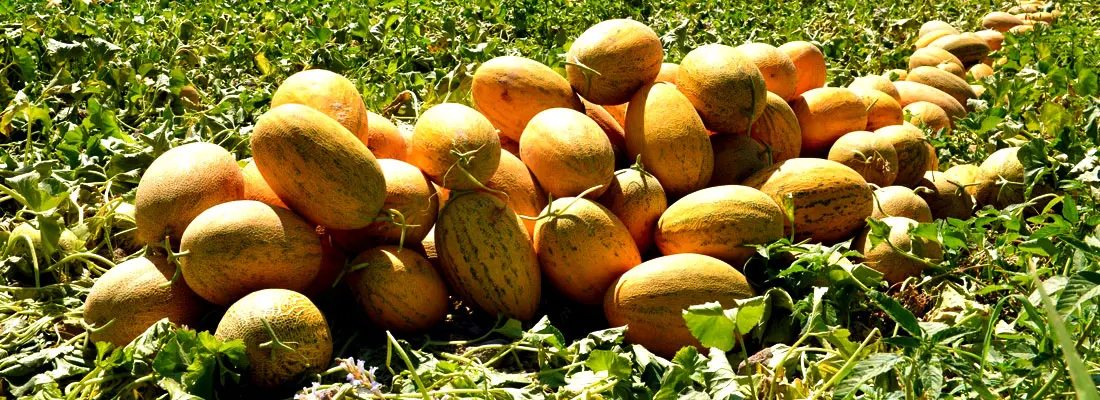
Hami Melon Hami Melon, the scientific name is Cucumis Melon var. saccharinus, is a kind of sweet melon, named from its best one mainly produced in Hami prefecture. Hami melon is known as “King of melon” with sugar of 15% and cellulose of 2.6%-6.7%, and rich in other nutrient composition such as malic-acid, nicotinic acid, pectin, Vitamin A, Vitamin B, Vitamin C, calcium, phosphorus and iron.
Just one click away from your dream getaway. Our expert travel consultants specialize in crafting tailor-made China tours exclusively for you. Enjoy personalized journeys tailored to your passions.